
Fayette County's Most Wanted Program
The official Fayette County Sheriff's site is the right first stop for anyone checking Fayette County channels. The Sheriff's Office posts no named most-wanted roster there. Its app also lists a general tip feature, but that is not a reward program and not a county fugitive database. This matters for anyone mixing up a warrant search with a public alert page. A most-wanted list is a selective publication, a short set of cases an agency chooses to highlight. It is never the full set of active warrants in Fayette County. Since no official roster exists here, there is nothing to mirror, and names, photos, and allegations belong only on a government source that can correct them.
No Fayette County Most-Wanted Roster
Direct answer: Fayette County publishes no official most-wanted roster. The absence of a roster is not proof that no active warrants exist.
Across the Fayette County Sheriff's site, the current app, the court pages, and municipal sources, no office announces a public roster, warrant roundup, fugitive-of-the-week feature, amnesty event, or self-surrender program. Those channels can change, so check the Sheriff's own site rather than a cached copy or a third-party repost. With no roster published, Fayette County has no stated update schedule, selection criteria, or removal procedure either, and none should be guessed from some other county's program.
How Fayette County Most-Wanted Lists Work
Where a most-wanted list does exist, the agency picks which active warrants get public attention and pulls entries after an arrest, surrender, recall, or other case action. Fayette County operates no such list. So this general picture is not a local rule or schedule, just how these rosters work elsewhere.
Note: Any public list is a dated snapshot. Absence from a list does not prove there is no warrant, and an old repost does not prove current status.
Fayette County Most-Wanted ALEA Limits
The Alabama Law Enforcement Agency runs a Search Fugitives interface that covers the whole state, which makes it different from a Fayette County Sheriff's roster. Read any match with the agency and date ALEA shows beside it. A nonmatch proves nothing, since county, municipal, sealed, or otherwise unpublished warrants would not appear there. The ALEA Search Fugitives page is the official source.
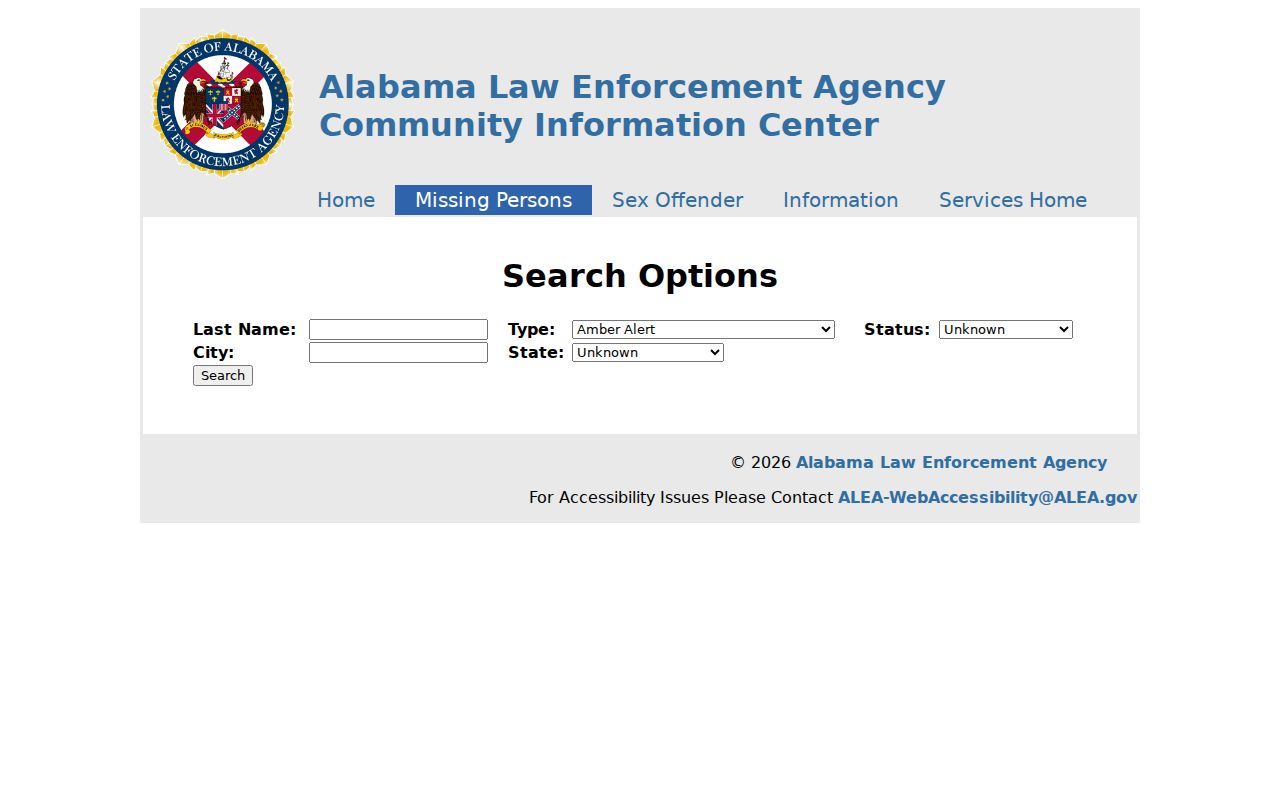
ALEA's form is an official fugitive-search channel for Fayette County and beyond. It is not a basis for building a local roster, and person-level content stays on the government source, where corrections and removals can happen.
Fayette County Most-Wanted Tip Safety
The Fayette County Sheriff's app includes a general tip feature. The county runs no Crime Stoppers reward program with stated anonymity or cash-reward terms, so do not count on either. Ask before you share identifying details. Use the Sheriff's official channel for ordinary tips and 911 for an immediate threat.
- For an emergency or immediate danger, call 911 and follow the dispatcher's instructions.
- For a nonemergency tip, start with the official Fayette Sheriff site or app and confirm how the agency receives information.
- Report what was observed, when, and where. Do not speculate or circulate personal allegations.
- Do not approach, follow, detain, or attempt to serve anyone. Let law enforcement assess the information.
Key Point: Fayette County has no verified anonymity or reward terms for tips. Ask the receiving agency about privacy first.
Fayette County Most-Wanted Sheriff Tips
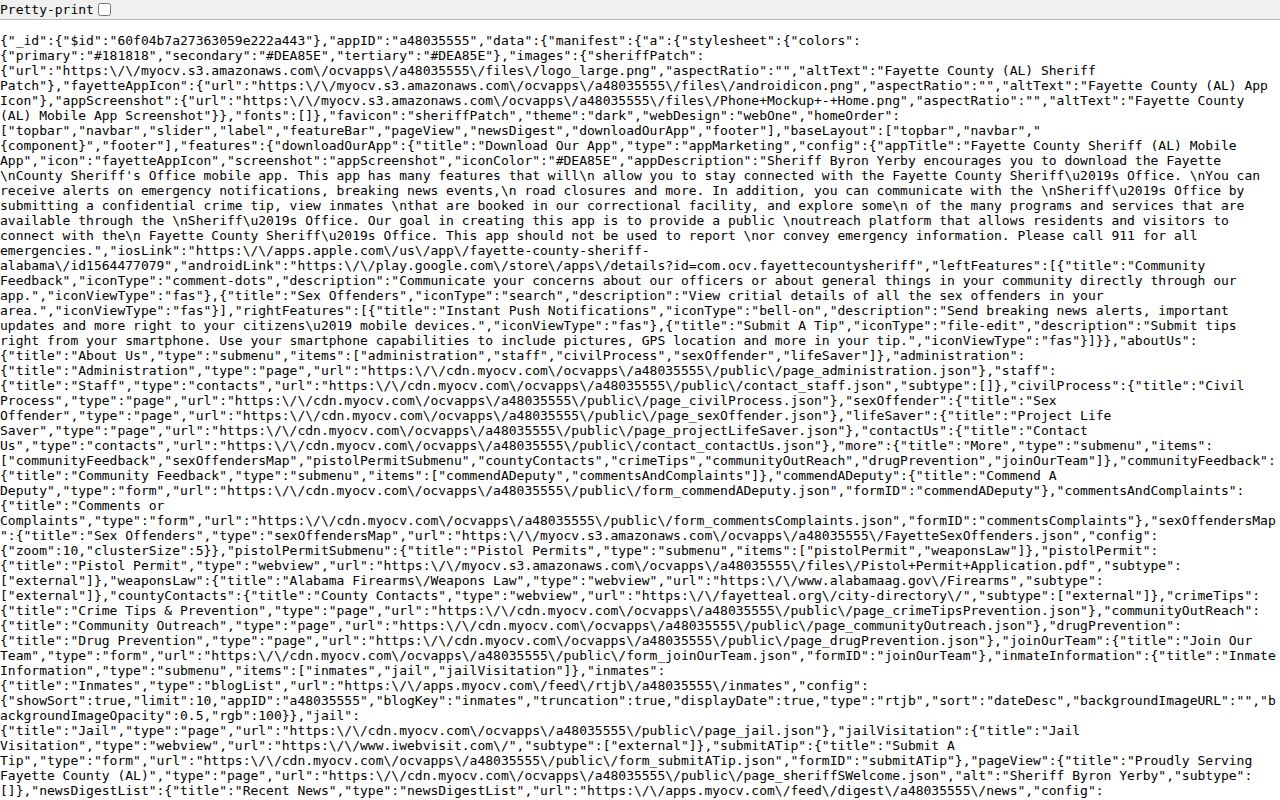
The Fayette Sheriff app manifest shows that a tip function exists in Fayette County. It shows nothing more. No public roster, no formal most-wanted program, no stated terms. The app is simply an agency communications channel. For the legal status of any single warrant, the issuing court and sheriff records are the sources that count.
Fayette County Most Wanted vs Active Warrants
A most-wanted list is a publication choice. An active warrant is live process, still unserved or open, and many warrants never appear on any roster. Fayette County's lack of a roster says nothing about how many active warrants exist there.
| Feature | Most Wanted List | Active Warrant |
|---|---|---|
| Scope | A selected public-alert subset, if an agency publishes one | Any warrant that remains legally open |
| Who maintains it | The publishing law-enforcement agency | The issuing court and serving agency |
| Public visibility | Only what the agency chooses and may lawfully publish | May be public, restricted, sealed, or absent from a web search |
| Resolution | The underlying warrant controls, not the webpage | Court-directed surrender, bond, appearance, or recall process |
Fayette County Most-Wanted Lists Stay Limited
Not everything lands in one public channel. Unserved or sealed matters, juvenile records, municipal warrants, and federal process may sit outside any county list. Fayette Municipal Court has its own case route. Federal warrants belong to the federal courts and the U.S. Marshals. ALEA's statewide interface has its own publishing scope. Treat these as separate systems, never one implied Fayette County list. Status words matter too. Active means the process is still open. Served records execution, not the end of the case. Recalled means the issuing court withdrew the warrant. Fugitive is an agency label, so read its scope on the source itself, and note which agency published the entry and when you accessed it.
Your Fayette County Most-Wanted Response
Spot your own name on an official or third-party page in Fayette County? Do not assume the post reflects current legal status. Save the URL, the publishing agency, and the date you saw it. An Alabama attorney can contact the issuing court or the Fayette Sheriff, confirm whether a warrant is real and open, discuss bond, and arrange a voluntary appearance or surrender when that fits.
Important: Seek legal advice before acting. An attorney can verify the warrant and coordinate with the issuing court or serving agency.
Fayette County Most-Wanted Labels Need Context
A most-wanted notice earns trust by naming its publisher. Fayette County readers should expect four more things from a solid one: the warrant or case authority, the alleged charge, the date of posting, and the date of any update. A copied image can go stale. A social media repost can misidentify the person shown in it. It can drop the warnings the original carried. Use official links, and skip redistributing a person's image or allegations. The county publishes no official outstanding-warrant or most-wanted count, and court workload reports cannot fill that gap, because filings and dispositions say nothing about how many warrants stand open, so hold off on claims of prevalence or trends until an agency defines and dates the measure.
No Names or Photos Hosted
Civic boundary: This resource describes official sources and safe contact routes. It does not reproduce a roster, names, mugshots, or person-level allegations.
Person-level material stays with the responsible agency for good reason. That source can correct a record, remove a resolved entry, and post the warnings and contact details a reader needs. A snapshot copied elsewhere can be mistaken for a current Fayette County warrant record, so self-help questions go to the issuing court or sheriff instead. For a safety report, use the official agency channel.
Verify the Issuing Agency and Date
Context decides what an alert is worth. First, note which agency issued it: the Fayette County Sheriff, ALEA, a municipal police department, or a federal agency. Write down the publication or update date. Open the source itself. A search-engine preview is not the record. Each agency keeps its own cases, so one alert says nothing about what another Fayette County court's docket shows right now. Screenshots and reposts deserve extra care. Find the original government page before relying on a copy. A repost can linger online after an arrest, a voluntary surrender, a recall, or a correction, and it may quietly drop limits spelled out in the original caption. Do not redistribute it while verifying. Reach the publishing agency through contact details you pulled from its own website, not from the repost. For a question about your own Fayette County warrant, a most-wanted page is the wrong tool. Figure out where the matter belongs. It could be Circuit Court, District Court, Fayette Municipal Court, another city's court, or a federal court. The Fayette County Circuit Clerk keeps state Circuit and District Court case records. The issuing municipal clerk keeps a city docket. The Sheriff serves papers countywide. An attorney can ask about status and talk through surrender or bond without treating an alert as a final case record.
Federal Fugitives Stay Separate
Federal cases in Fayette County sit outside Alabama's county and municipal court structure. The Northern District of Alabama and the U.S. Marshals Service handle federal warrants, summonses, sealed process, and fugitive notices. PACER is a federal docket system. It tracks dockets, and it does not expose unserved federal warrants. No federal result belongs in a Fayette County roster. The split runs both ways. An ALEA fugitive entry is statewide agency information, not evidence that the Fayette Sheriff picked the subject for any local program. A City of Fayette or Berry municipal warrant can sit in a local court record. It may never reach a state fugitive interface. An unserved or sealed warrant may stay restricted. Absence from one Fayette County source proves little. Readers should follow whichever agency the official source itself names. A federal alert belongs with its listed federal contact. An ALEA record belongs with ALEA or the agency it identifies, and a county case belongs with the issuing Fayette County court and the Sheriff. A municipal case belongs with its city court. Keeping those routes separate cuts mistaken identity and preserves what each agency's status terms mean.
No Official Count or Roundup Found
No office here publishes an official Fayette County warrant count or most-wanted count. None runs a recent warrant roundup, an amnesty announcement, or a self-surrender event. Alabama's court annual reports give filing and disposition context. Those figures cannot become an outstanding-warrant total. A filing can end without any warrant at all, and a warrant can change status after the reporting period closes. That gap is worth knowing. It keeps anyone from claiming Fayette County has a set number of wanted people, a rising trend, or an enforcement campaign under way. If an agency later announces a program, link the announcement with its original date, eligibility terms, issuing agency, and any expiration. Names and photos stay on the agency page. Until then, official channels are the sound route. Check the Fayette Sheriff site for agency communications. Use ALEA's page only within its stated statewide scope, and take a personal warrant question to the issuing court. For urgent safety information, call 911. For anything nonemergency, use the official sheriff or police route and let law enforcement decide what action fits.